Replay Session Parameters
During a sharp test of daily support across large-cap tech equities, simulated paper accounts granted immediate limit fills on touch, while matched live order book data showed significant queue exhaustion. This audit exposes the structural differences between matching engine approximations and real-market book depth dynamics.
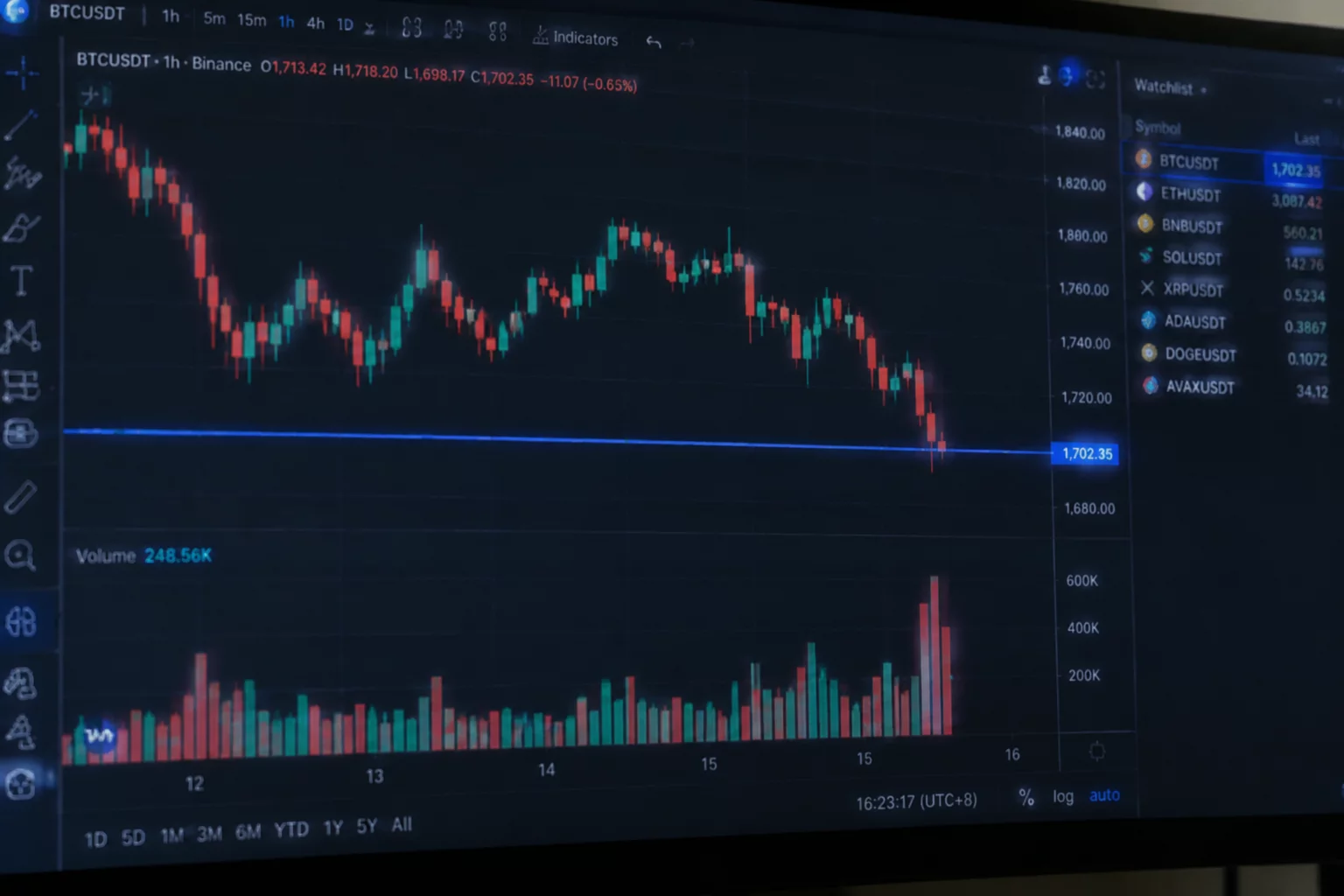
Execution Post-Mortem Diagnostic
In paper trading platforms, limit orders frequently execute the instant the national best bid touches the specified price level. This algorithmic shorthand assumes that any printed trade at that quote satisfies the entire queued limit volume, ignoring the hundreds of institutional contracts standing ahead in line.
When high volume hits a contested support shelf, tens of thousands of shares trade without exhausting the visible bid. In live trading, orders resting at the tail end of the queue often remain unfilled, leaving traders watching price bounce upward without them.
- Simulated engine assumed complete queue fill within 4 milliseconds of price touch.
- Actual exchange order book registered over 140,000 shares ahead of the simulated timestamp.
- The live bid was refreshed three times without reaching the trader order allocation.
As the support floor came under heavy attack, market maker quotes widened from standard penny spreads to four-cent intervals. While the simulated interface maintained a nominal two-cent spread, reality dictated that limit sellers were taking aggressive price concessions.
This variance masked substantial adverse selection: live fills only occurred when aggressive sellers broke right through the support level, converting an anticipated bounce into a catastrophic breakdown trade.
- Simulated fill recorded zero slippage against the stated resting limit order.
- Real book liquidity would have required a market order to cross an expanded 5-cent spread.
Replay log comparisons uncovered an asymmetrical fill bias. On setups where support held firmly and rallied rapidly, live orders were left behind unfilled, whereas simulated accounts captured maximum theoretical profit from the lowest tick.
Conversely, whenever support failed completely, both simulated and live orders were executed instantly by cascading market sell orders. This dynamic inflates simulated win rates while severely underrepresenting true drawdowns in practical trading scenarios.
Traders auditing bounce strategies must penalize simulated limit executions that occur at the exact inflection point. Unless total volume transacted at that price exceeds the median book depth by a factor of three, the execution should be logged as an unfulfilled order.
Incorporating deliberate friction buffers into journal entries ensures that system backtests align with real exchange physics, eliminating false confidence built on paper sandbox artifacts.
Correlated Execution Studies
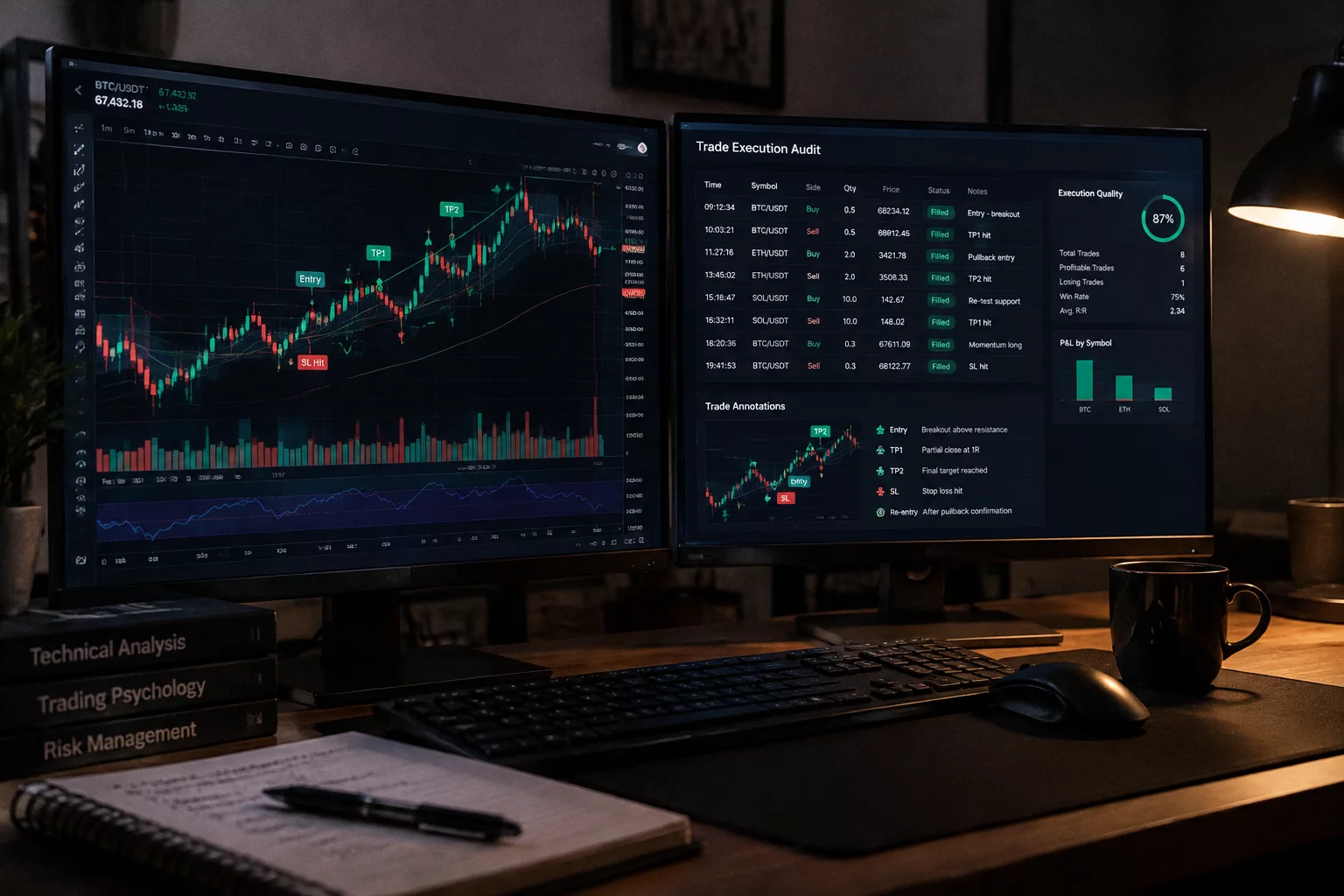
Breakout Assumption Failure in Volatility Spike
Diagnostic replay of premature stops and slippage cascades during sudden implied volatility expansion.
Review Replay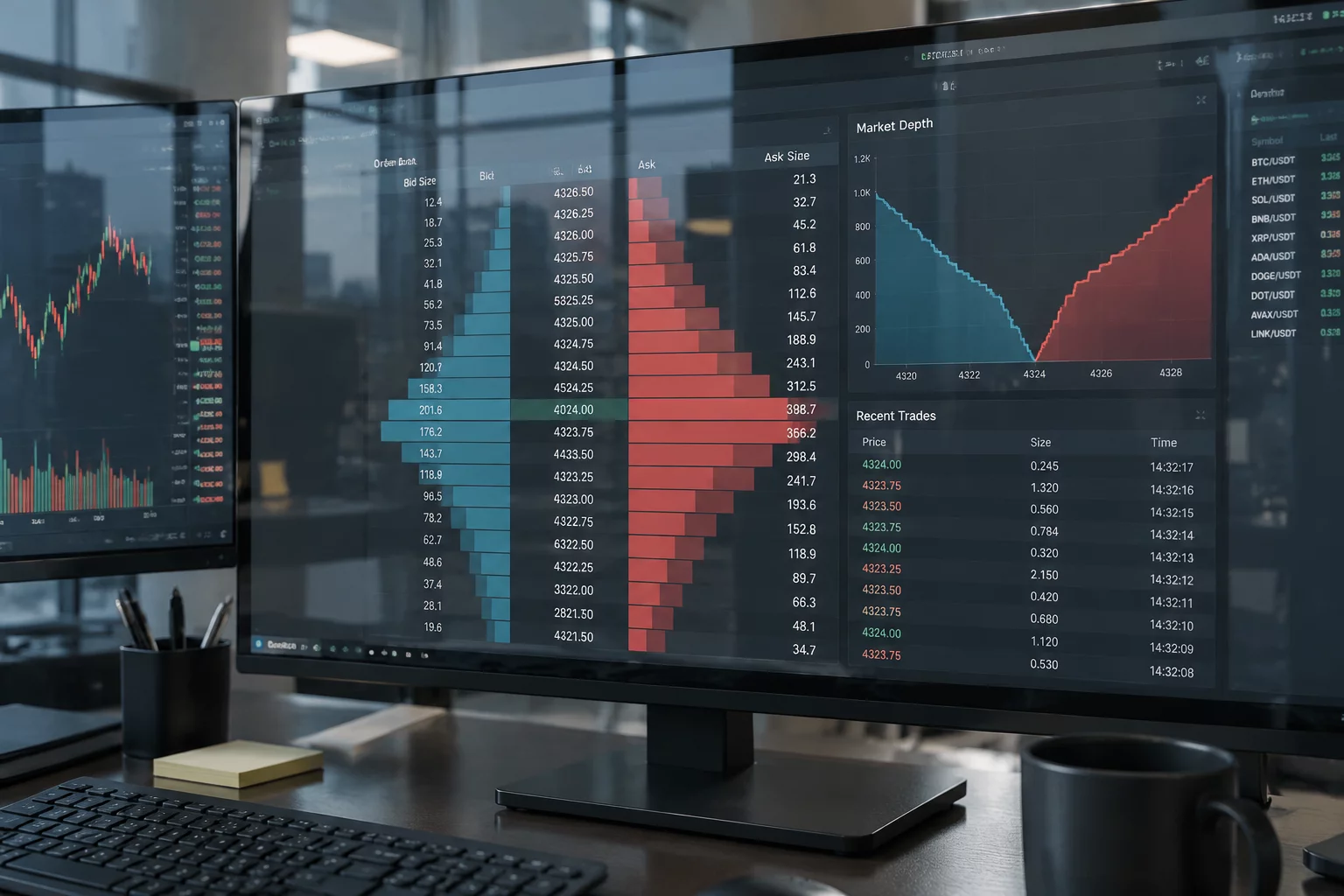
Earnings Gap Slippage in Simulated Premarket
Measuring real book depth thinness versus simulated instant fills during overnight earnings releases.
Review Replay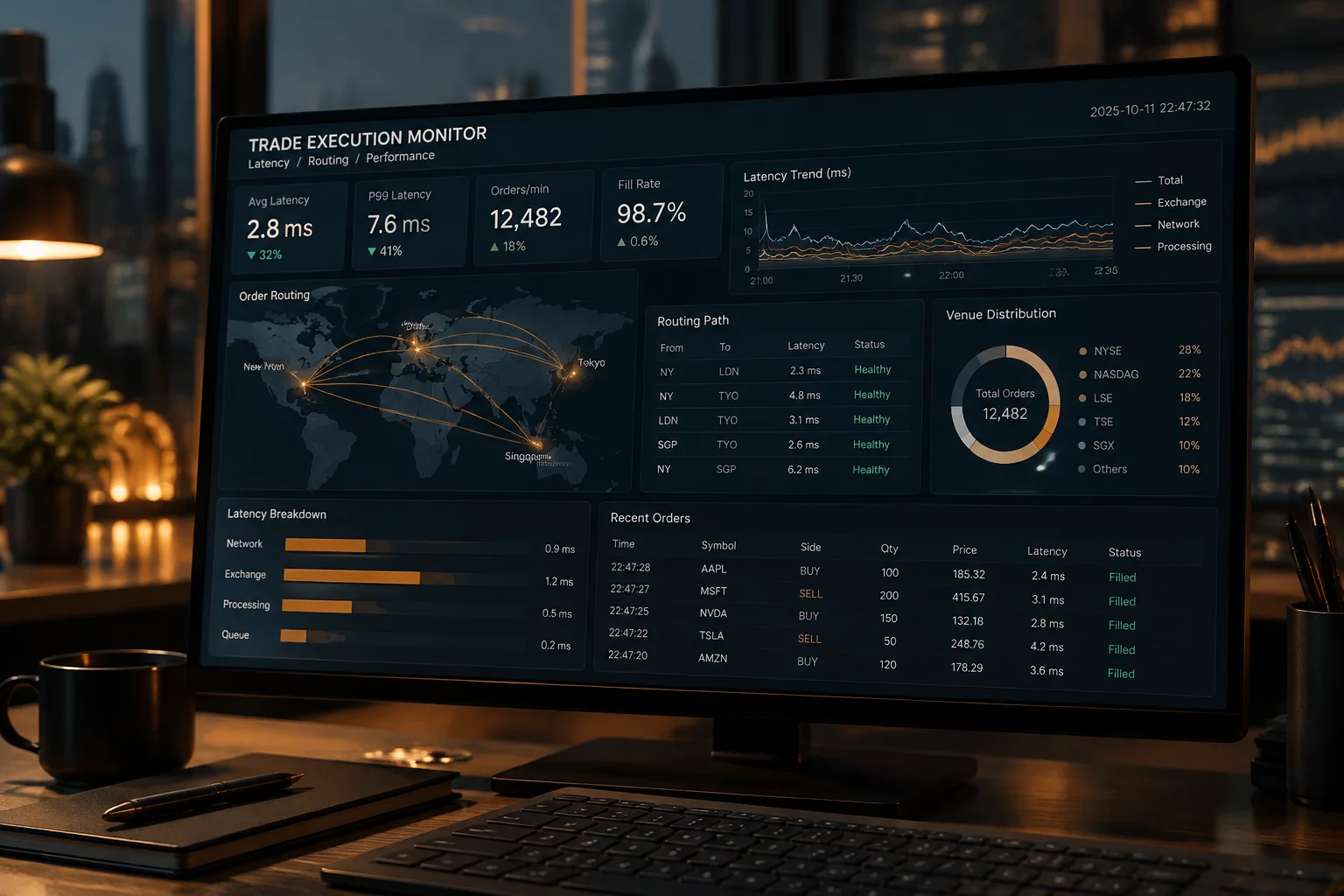
Market Order Fill Latency on Economic Release
Analysis of quote pipeline delays and execution degradation during high-impact CPI announcements.
Review Replay
Limit Order Frictional Mismatch in Low Float
Examining queue priority and phantom volume fills across small-cap intraday momentum equities.
Review ReplayAudit Your Own Execution Logs
Compare historical simulated fills against tick-level order book records to discover hidden friction.
Diagnostic Takeaways
- A price touch in a simulated terminal does not guarantee queue execution on live book feeds.
- High volume events create asymmetric fill distributions that artificially inflate backtest win rates.
- Auditing post-trade slippage requires checking total transacted volume at the pivot before claiming a fill.