Empirical Trade Setup & Anomaly Summary
During a simulated trade review of ticker $VLTA (free float 3.4M shares), paper trading engines confirmed an instantaneous 5,000-share limit order fill at $4.20 on a rapid breakout retest. Subsequent reconstruction of Level 2 time-and-sales data revealed that only 640 shares traded at that exact price level across the consolidated tape before price printed higher. This study dissects the structural friction gap between simulator assumptions and true liquidity availability in thin order books.

Microstructure Deconstruction & Friction Vectors
In live market microstructure, submitting a limit order places your lot at the end of the queue for that specific price level on the receiving exchange or ECN. Execution follows a strict price-time priority rule. When resting book liquidity is shallow, hundreds of retail and algorithmic orders compete for limited resting size.
Most simulated trading environments bypass queue depth altogether. The moment a single transaction prints at or through your limit price on the consolidated tape, the simulator immediately fills the entire order. In low float momentum names, this mechanic produces synthetic fills that would never execute in live routing.
- Consolidated tape prints of just 100 shares trigger instantaneous fills for multi-thousand share orders.
- Zero latency assumption eliminates order queue positioning against faster institutional market participants.
- ECN fee tiering and routing logic are completely omitted from simulated paper account engines.
During aggressive momentum surges, low float stocks frequently see bid-ask spreads widen from a few cents to twenty or thirty cents within milliseconds. Simulator quote displays often lag due to local client rendering throttles, showing an artificially tight spread that does not reflect live liquidity reality.
Limit orders placed inside these phantom spreads receive fills in simulation because the platform interpolates midpoints. In live markets, those orders would either sit unfulfilled as liquidity providers step back, or suffer immediate negative selection as price washes through.
- Client interface quote throttling creates the illusion of persistent tight spreads during extreme price discovery.
- Market makers widen spreads and cancel resting quotes in fractions of a second during aggressive sweeps.
In live execution, a 5,000-share limit order on a low float stock breaking out will typically receive a partial fill of only 200 to 500 shares before price moves away. The trader captures winning upside on a tiny fraction of their planned risk capital, severely penalizing expected monetary value.
Conversely, when the breakout fails and selling pressure dumps into the bid, aggressive market sellers execute completely against the trader's resting size. This creates an asymmetric hazard: winning trades suffer tiny fills, while losing trades get filled 100% into severe drawdowns.
To eliminate paper trading bias, replay audits must enforce strict liquidity hurdle rates. When backtesting or auditing low float trades, analysts should only consider a limit order filled if the historical cumulative volume at that exact penny exceeded at least four times the submitted order quantity.
Applying haircut multipliers and queue degradation factors transforms paper testing into a realistic training discipline, preventing false confidence born from frictionless execution algorithms.
Related Execution Post-Mortems

Breakout Assumption Failure in Volatility Spike
Dissecting failed multi-bar breakout entries when volatility spikes outpace simulated order processing speed.
Review Replay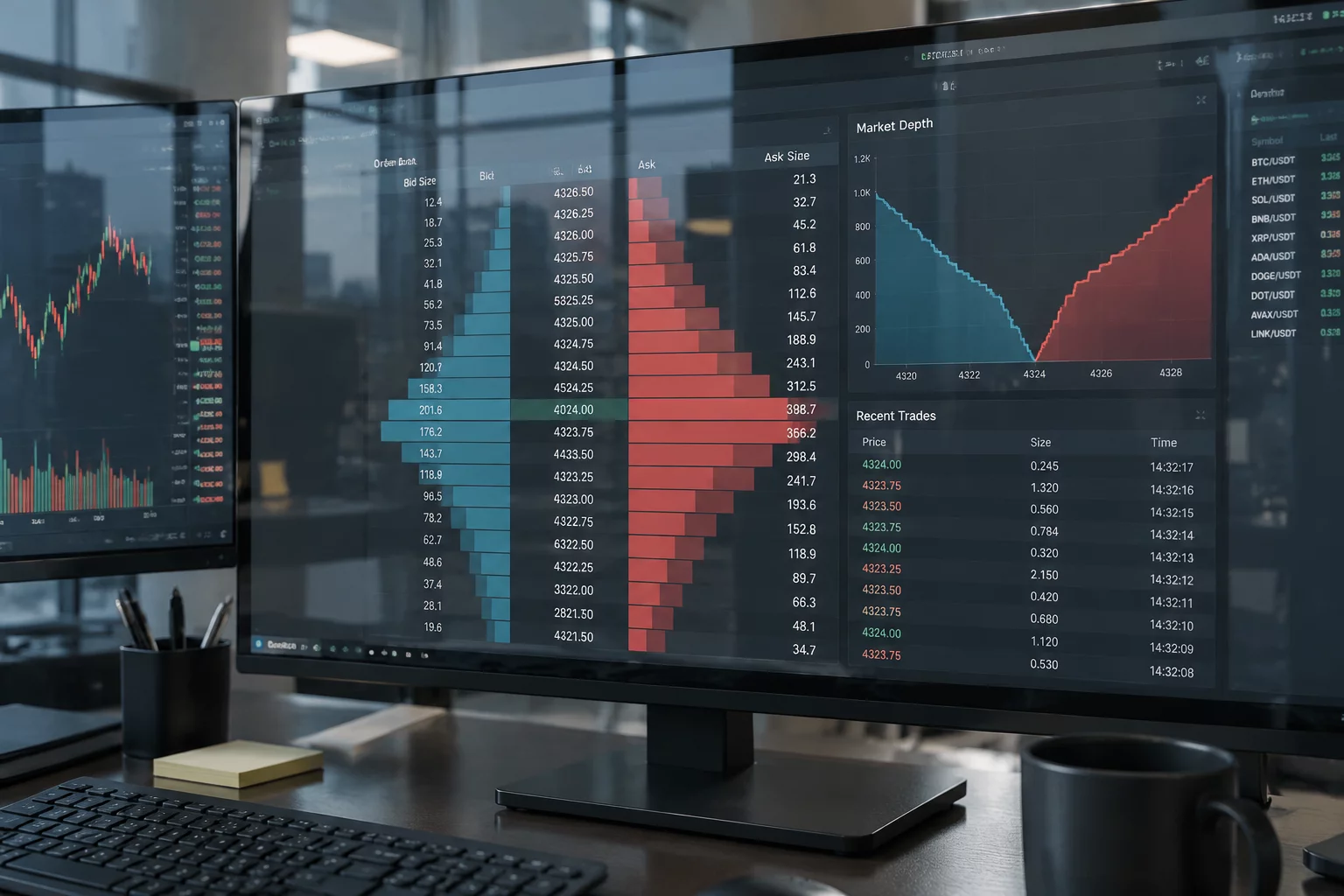
Earnings Gap Slippage in Simulated Premarket
Comparing premarket simulated gap fills against thin book institutional sweeps during high-volatility earnings reports.
Review Replay
Market Order Fill Latency on Economic Release
Millisecond routing diagnostics demonstrating severe market order slippage on macroeconomic announcement prints.
Review Replay
Bracket Liquidity Illusion in Overnight Session
Analyzing automated bracket profit targets and phantom limit fills during illiquid extended hours trading sessions.
Review ReplayAudit Your Paper Execution Frictions
Compare simulated order fills against tick-level historical market depth and identify unrealistic execution advantages in your trading journal.
Key Execution Diagnostic Takeaways
- Simulators grant 100% limit fills on the first consolidated tape print, ignoring real-world order book queue depth.
- Asymmetric fill hazard causes winners to suffer partial fills in reality, while losing trades experience 100% adverse fill rates.
- Audit replays require a minimum 4x cumulative volume hurdle at the limit price before crediting a completed execution.