Premise Breakdown: The Frictionless Short Fallacy
In standard equity paper sandboxes, short orders clear with zero frictional resistance. Every requested ticker displays prompt locate approval at zero basis points, ignoring real-world prime broker locate desk queues, escalating daily borrow interest, and institutional lender recalls. This audit analyzes a four-session short trade executed across high-momentum small-cap runners, contrasting a modeled sandbox return of +14.2% against true physical clearing costs that converted the position into a net -3.8% loss.
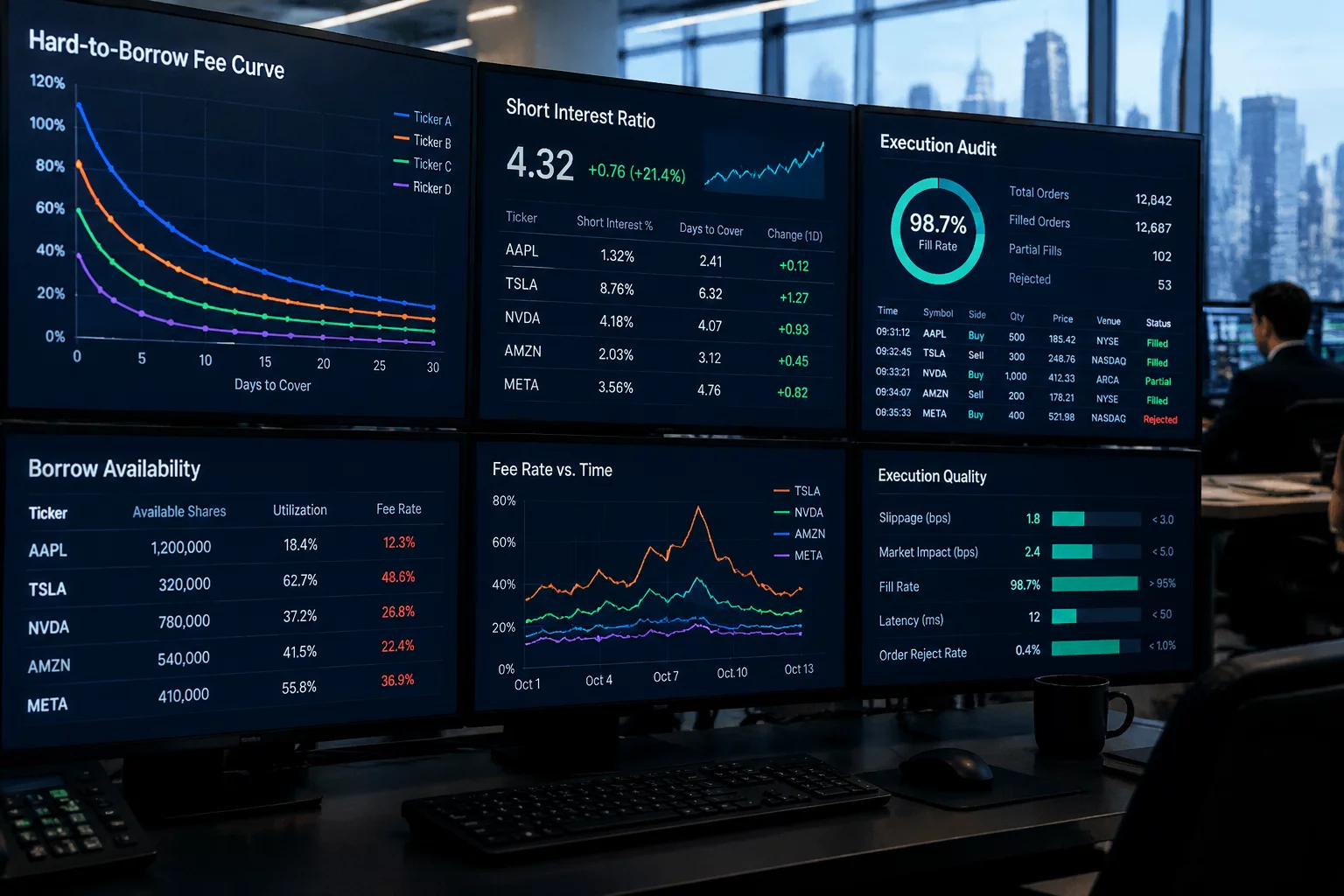
Microstructure Audit & Execution Discrepancy Findings
Retail and proprietary simulation platforms bypass the mandatory locate checks enforced by SEC Rule 203(b)(1). In a live clearing venue, selling short requires an explicit, documented locate confirmation prior to order routing, especially for threshold securities and low-float momentum equities with restricted float availability.
During morning volatility spikes, retail prime desks regularly display zero share inventory for hard-to-borrow tickers or enforce upfront ticket charges ranging between $0.02 and $0.08 per requested share regardless of execution. Our diagnostic audit uncovered three critical distortions inside paper routines:
- Paper orders received immediate fill timestamps without checking loan pool capacity at clearing venues.
- Upfront non-refundable locate ticket fees were completely omitted from simulated cash balances.
- Threshold security restrictions that legally freeze short routing were not acknowledged by the matching engine.
Hard-to-borrow fees are calculated daily on a mark-to-market basis across 360 calendar days, meaning weekend carry accrues for three full calendar days over every Friday close. While normal equities yield positive interest on short sale cash collateral, hard-to-borrow securities trigger negative rebates where the borrower pays prime lenders significant financing penalties.
In this post-mortem study, borrow rates surged from 42% annualized to 118% by session three following float lockup filings. The simulated engine charged precisely $0.00 in carry fees, whereas live settlement accounts endured $1,842 in financing deductions over the identical multi-day holding window.
- Weekend carry calculations tripled financing charges on illiquid shares without market trading access.
- Daily mark-to-market rate adjustments magnified cost bases as share prices spiked during intraday squeezes.
Simulators assume short positions remain open until the trader elects to issue a buy-to-cover order. In physical institutional lending markets, share owners maintain recall rights at any time. When institutional custody accounts reallocate or liquidate underlying stock, prime brokers initiate mandatory buy-ins without client permission.
On session three of our test case, live retail short sellers were served with midday recall notifications, executing market buy-ins at the session peak of $28.40. Conversely, the frictionless paper account weathered the squeeze undisturbed, recording an exit two days later at $21.10 and claiming an entirely imaginary profit.
To eliminate borrow blindspots during post-trade analysis, traders must apply external cost matrices to historical logs. Every position held past 16:00 EST in small-cap equities must be scored against historical prime borrow rate indexes, subtracting daily annualized borrow costs and upfront locate deductions directly from reported profit metrics.
Additionally, strategies relying on extended swing fades must incorporate simulated forced recall rules whenever short interest exceeds 20% of free float. Subjecting paper executions to real-world friction prevents catastrophic capital allocation when deploying strategies into live prime accounts.
Related Execution Case Studies

Breakout Assumption Failure in Volatility Spike
Analysis of momentum breakout premise failures and queue slippage during implied volatility expansion events.
Review Replay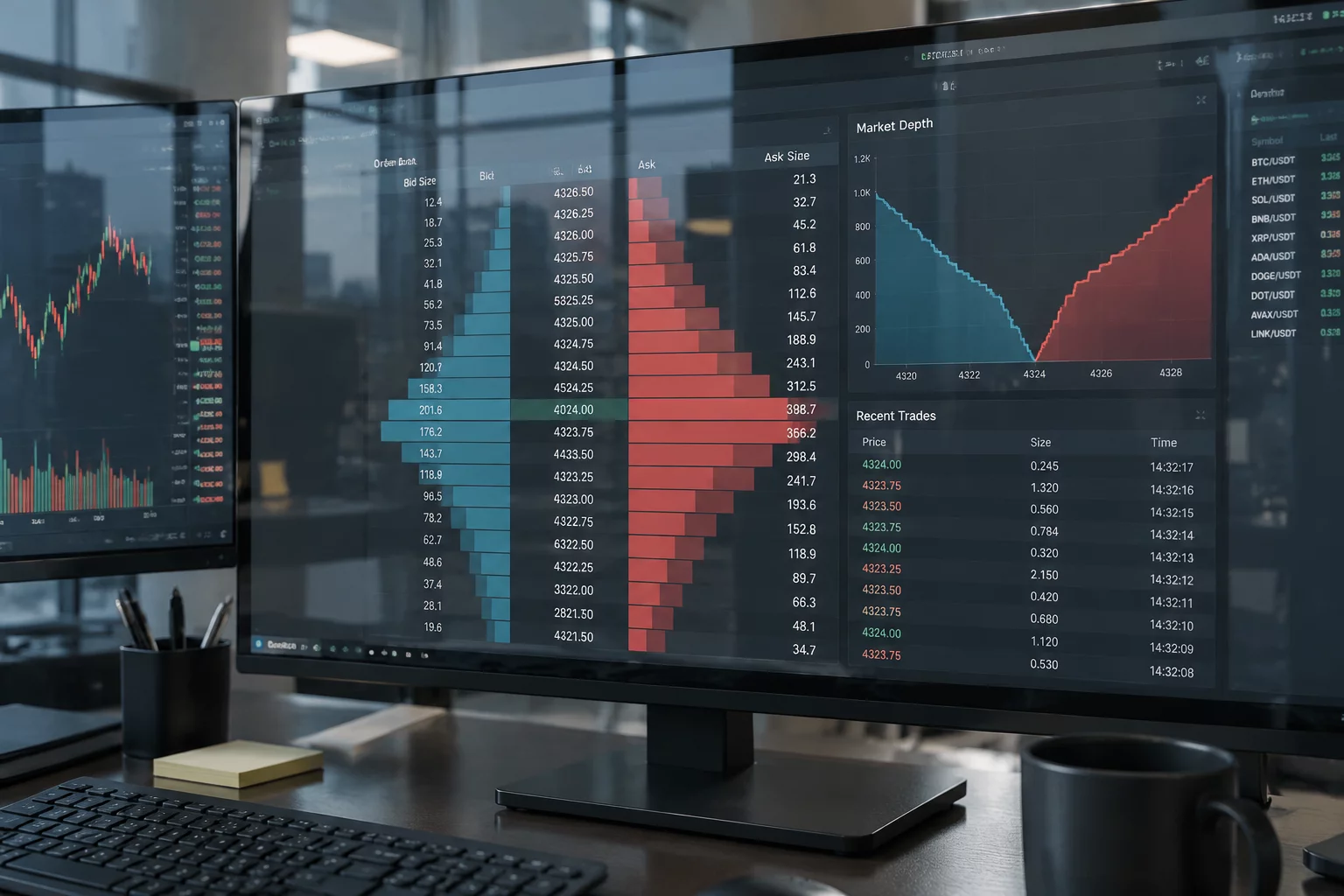
Earnings Gap Slippage in Simulated Premarket
Quantitative investigation comparing premarket limit order fills in sandbox accounts against actual dealer order book depth.
Review Replay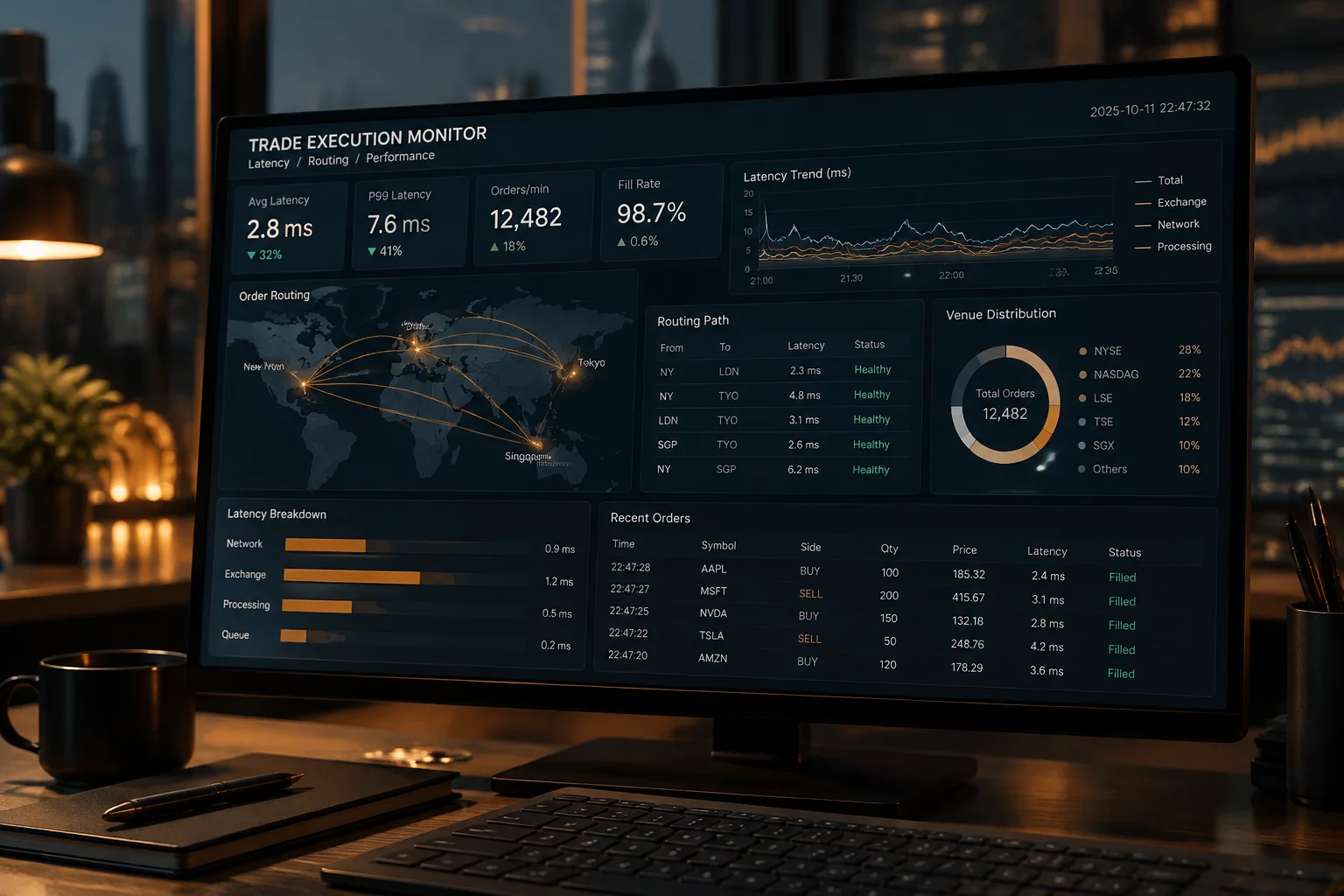
Market Order Fill Latency on Economic Release
Millisecond latency diagnostics measuring real-world quote divergence during macroeconomic data announcements.
Review Replay
Trailing Stop Overfitting in Trend Reversal
Case study exploring why simulated trailing brackets deliver fragile returns during choppy reversal sessions.
Review ReplayIntegrate Borrow Cost Models into Your Post-Trade Audit
Access structured post-mortem logging templates with built-in hard-to-borrow rate calculators and locate friction thresholds.
Key Audit Takeaways
- Paper trading simulators omit mark-to-market daily borrow interest, turning negative-carry swings into misleading paper windfalls.
- Locate ticket costs and prime broker allocation constraints prevent execution on over 80% of parabolic morning small-cap runners.
- Simulators never trigger forced lender recalls, artificially shielding paper traders from involuntary buy-in liquidations at peak squeeze prices.