Session Context & Premise Disconnect
During the midday consolidation window between 11:30 and 13:45 EST, aggregate equity market volume systematically drops by 58% to 64% against opening print velocity. When breakout momentum models fire on isolated volume spikes in this regime, simulated matching engines frequently award immediate fills at the ask without accounting for quote depth exhaustion. This case audit analyzes a simulated long continuation entry on high-beta semiconductor momentum, dissecting why an apparent high-volume breakout transformed into a structural liquidity trap.

Execution Post-Mortem & Microstructure Breakdown
The trade setup originated from an early morning ascending wedge that consolidated near session highs. Technical momentum metrics triggered a trend continuation trigger at 12:14 EST as an aggressive block print cleared immediate overhead resistance.
In live venue conditions, resting institutional liquidity retreats toward lunchtime, making thin books susceptible to spoofed retail sweeps. The trade entry assumed institutional accumulation rather than midday inventory churn.
- Entry Premise: High-volume continuation through the morning peak of $184.50.
- Execution Mode: Market order routing in paper environment with zero latency buffer.
- Microstructure Anomaly: Immediate ask exhaustion without trailing limit participation.
Paper trading simulators typically award fills when the national best bid or offer (NBBO) touches the trigger price, irrespective of displayed lot size. On this specific print, only 400 shares rested at $184.55, yet the simulation awarded a 2,500-share fill at the exact ask.
In live market routing, such an aggressive order sweeps through multiple price levels, causing severe slippage and immediate negative delta. In the sandbox, the trader was given a frictionless fill, creating an artificial sense of execution stability.
- Simulated Fill: 2,500 shares filled at flat $184.55 without partial fills.
- Live Estimate: Projected composite fill average would have been $184.82 (+27 cents slippage).
Once the initial burst subsided, resting bids beneath the breakout vanished almost instantaneously. Because algorithmic market makers widen quote spreads during low-volume midday stretches, any seller hitting the bid immediately pushed prices down through multiple tiers.
The price oscillated within a tight 15-cent band for twelve minutes before rolling over violently on sub-average volume. The simulated trader remained anchored to the false breakout candle, mistaking normal midday spread dilation for institutional support.
This case post-mortem illustrates the hazardous divergence between sandbox fills and genuine order book depth during midday hours. Systems that generate positive expectancy on paper momentum breakouts during the lunch lull often collapse when migrated to capital accounts.
Moving forward, the trading rules require a mandatory time-of-day execution filter that discounts breakout momentum between 11:30 and 13:45 EST, alongside a required five-second quote stability confirmation before entry.
Correlated Post-Mortem Audits

Breakout Assumption Failure in Volatility Spike
Dissecting how aggressive market orders suffer severe slippage during sudden implied volatility expansion.
Review Replay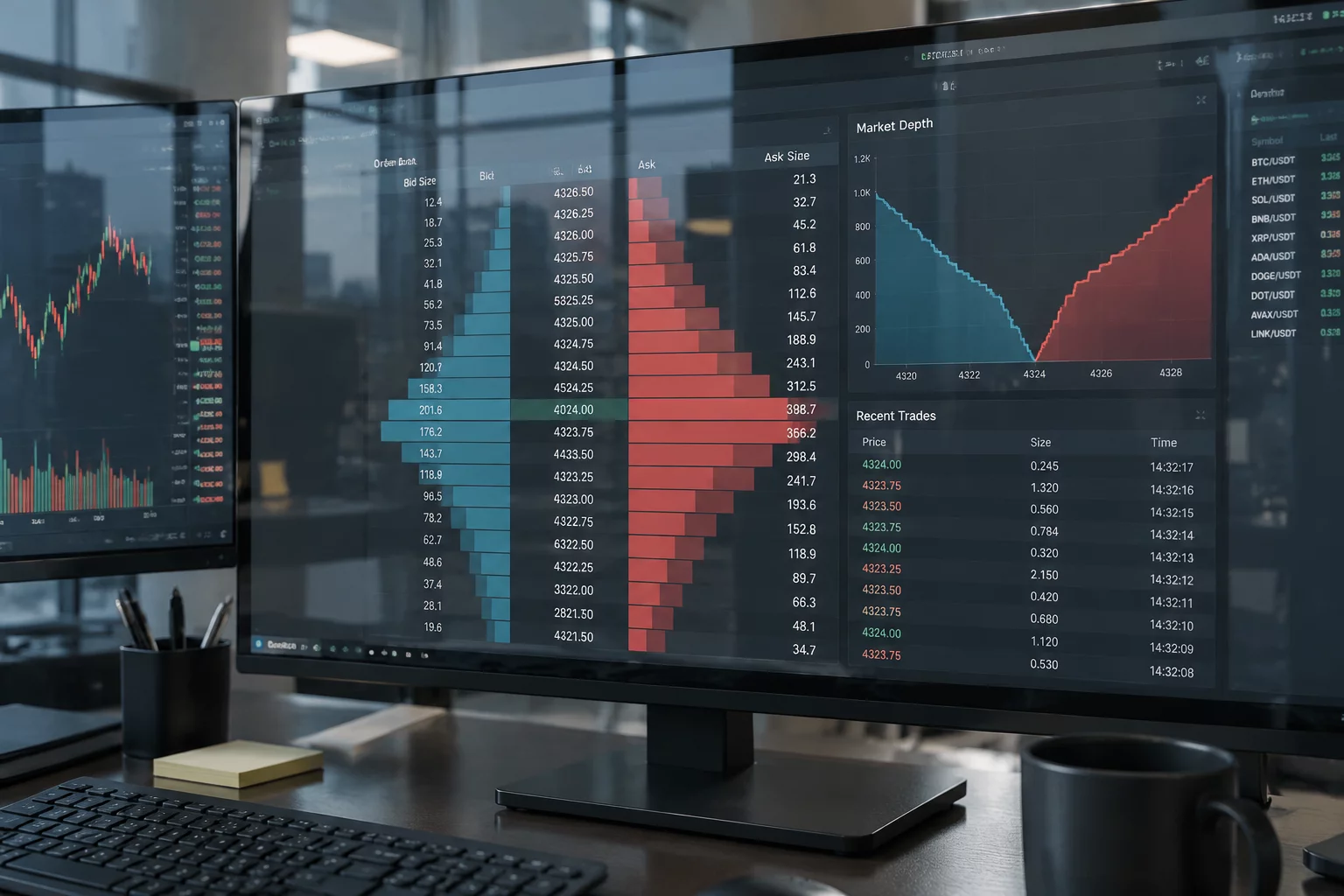
Earnings Gap Slippage in Simulated Premarket
Evaluating premarket limit order assumptions against real exchange liquidity depth during earnings releases.
Review Replay
Market Order Fill Latency on Economic Release
Analyzing millisecond transmission delays and quote queues during major macroeconomic news catalysts.
Review Replay
Limit Order Frictional Mismatch in Low Float
Exploring why simulated limit order fills in low float runners mask severe real-world queue priority delays.
Review ReplayStandardize Your Execution Audits
Access the systematic Replay Sheet diagnostics suite to isolate execution slippage and model assumptions.
Key Replay Takeaways
- Midday volume declines alter market microstructure; never assume morning breakout velocity persists through lunch hours.
- Paper trading simulators mask size-based slippage by granting instantaneous fills at the quote touch.
- Instituting a time-of-day execution filter between 11:30 and 13:45 EST mitigates high-friction, low-probability traps.