Execution Sandbox Context & Setup Thesis
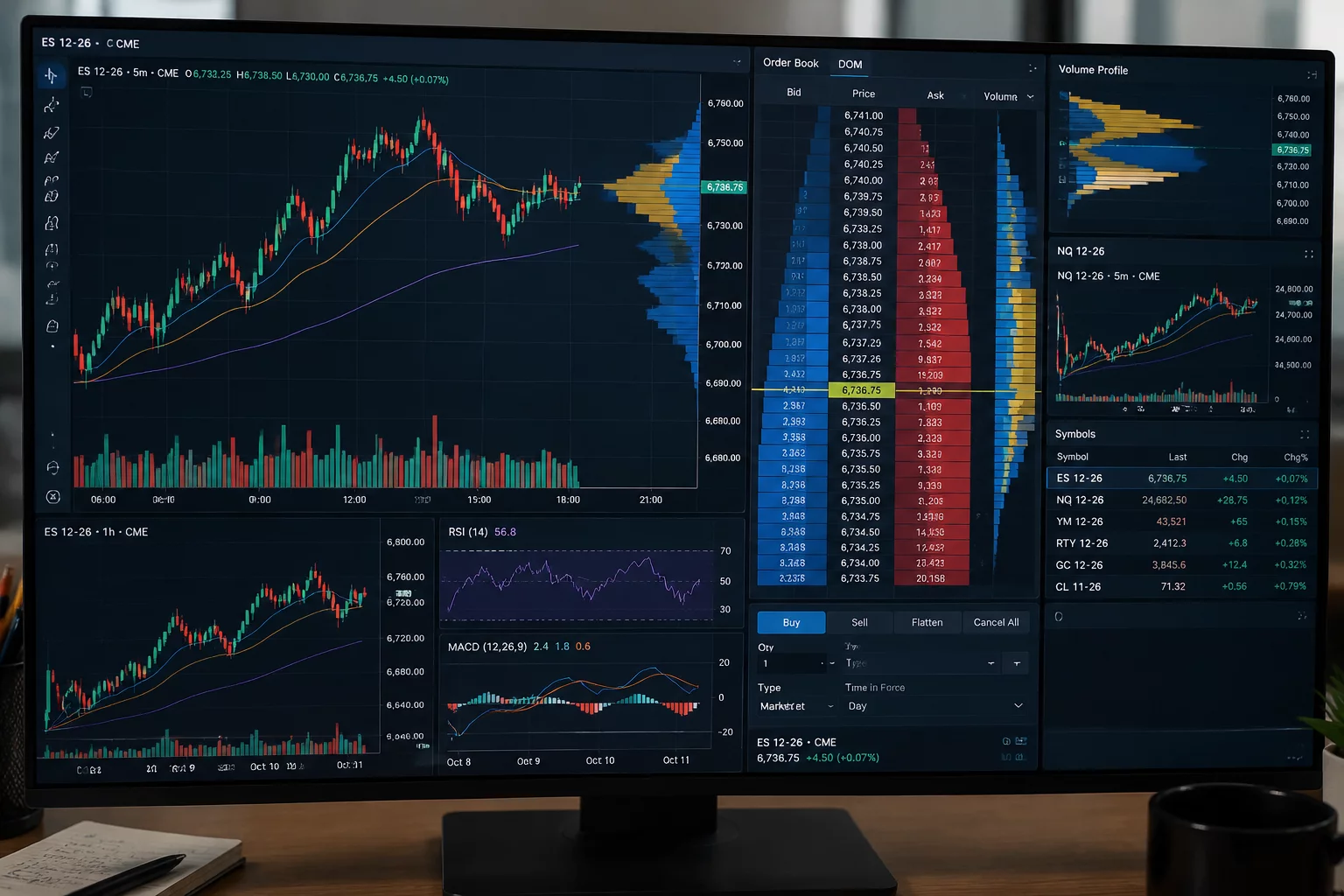
During the 09:35 ET cash open auction cascade, a simulated long setup in E-mini S&P 500 (ES) was triggered against the value area low, anticipating a standard mean reversion back to the volume-weighted average price (VWAP). Rather than finding responsive institutional absorption, the session suffered consecutive liquidity shelf failures. This post-mortem inspects the divergence between hypothetical paper fill expectations and genuine order flow friction.
Systematic Diagnostic Breakdown
The entry hypothesis rested upon a classic statistical mean reversion premise. Following an overnight inventory imbalance skewed 78% short, the cash open generated a fast liquidation wick down to test the prior session point of control. In historical backtests spanning comparable opening volatility regimes, responsive buyers typically defend this band within 90 seconds.
However, this setup failed to recognize that market-on-open sell imbalances exceeded three standard deviations above quarterly averages. Aggressive market sell orders overwhelmed resting passive limit bids at 5,424.00, rendering the statistical baseline obsolete before order routing even concluded.
- Premise assumed responsive bidding at the lower value band without waiting for tape stabilization.
- Simulated bracket orders assumed instant passive execution at the exact limit touch.
- Opening volume delta registered negative 14,200 contracts within the first three minutes of trade.
In the paper trading sandbox, limit buy orders placed at 5,423.50 registered an immediate fill the moment the bid price flashed across the data feed. In a live central limit order book (CLOB), an order entering at that precise timestamp would sit behind approximately 1,840 contracts on the CME Globex priority queue.
Replaying the CME MDP 3.0 direct feed reveals that fewer than 220 contracts actually transacted before resting liquidity withdrew, followed by a violent five-point gap down. The simulated environment granted an idealized entry price that was physically impossible to obtain under real FIFO matching rules.
- Paper engine credited a clean fill without accounting for queue priority degradation.
- Simulated stop-market execution recorded zero slippage despite thin book liquidity below 5,420.00.
Mean reversion systems depend on negative autocorrelation in intraday returns. When institutional liquidations trigger cascading delta imbalances, autocorrelation turns strongly positive, shifting the auction from an oscillating regime into an explosive trend day.
The failure to abort the trade occurred because the practitioner treated static volatility bands as immutable barriers rather than probabilistic distributions. Once cumulative delta failed to diverge at the second standard deviation band, the premise had structurally collapsed, yet the simulated position remained open until catastrophic stop trigger.
To eliminate the structural flaws observed in this replay, future simulated audits must enforce strict liquidity checks before logging hypothetical fills. Whenever resting depth thins below 300 contracts on the inside market, the audit sheet must penalize fills by at least two full ticks to emulate realistic queue friction.
Furthermore, a mandatory tape-invalidation rule has been added to the playbook: if cumulative volume delta fails to inflect upward within three bars of touching the outer envelope, the setup is logged as immediately invalidated, overriding automatic trailing brackets.
Related Replay Case Studies

Breakout Assumption Failure in Volatility Spike
Audit of momentum breakout failure caused by institutional order sweep and synthetic slippage under high volatility.
Review Replay
Earnings Gap Slippage in Simulated Premarket
Evaluating severe fill discrepancies between simulated premarket execution and live depth of market auctions.
Review Replay
Market Order Fill Latency on Economic Release
Reconstructing order routing delay and millisecond execution degradation during macroeconomic data releases.
Review Replay
Limit Order Frictional Mismatch in Low Float
Diagnosing simulated queue priority distortions and realistic fill probabilities across illiquid micro-caps.
Review ReplayAudit Your Own Replay Logs with Systematic Checklists
Compare simulated paper executions against historical order book depth to isolate flawed premises from frictional slippage.
Key Execution Takeaways
- Never assume paper limit order fills reflect real executions without auditing order book depth and queue priority at the time of entry.
- Invalidate mean reversion hypotheses immediately when opening cumulative volume delta breaks three standard deviations from historical norms.
- Apply realistic 2-to-3 tick friction penalties to all simulated trade reviews in index futures during the first 15 minutes of the cash open.