Empirical Trade Context & Simulation Setup
In simulated trading sandboxes, bracket orders (profit target limit paired with stop-loss market) appear frictionless during the overnight session (20:00 to 04:00 EST). Paper engines fill nocturnal limit orders the exact millisecond the quoted price touches the threshold, disregarding bid-ask queue depth, exchange routing delays, and cross-venue fragmentation. This post-mortem inspects why overnight simulated fills deliver artificial expectancy and fail when transitioned to production book matching.
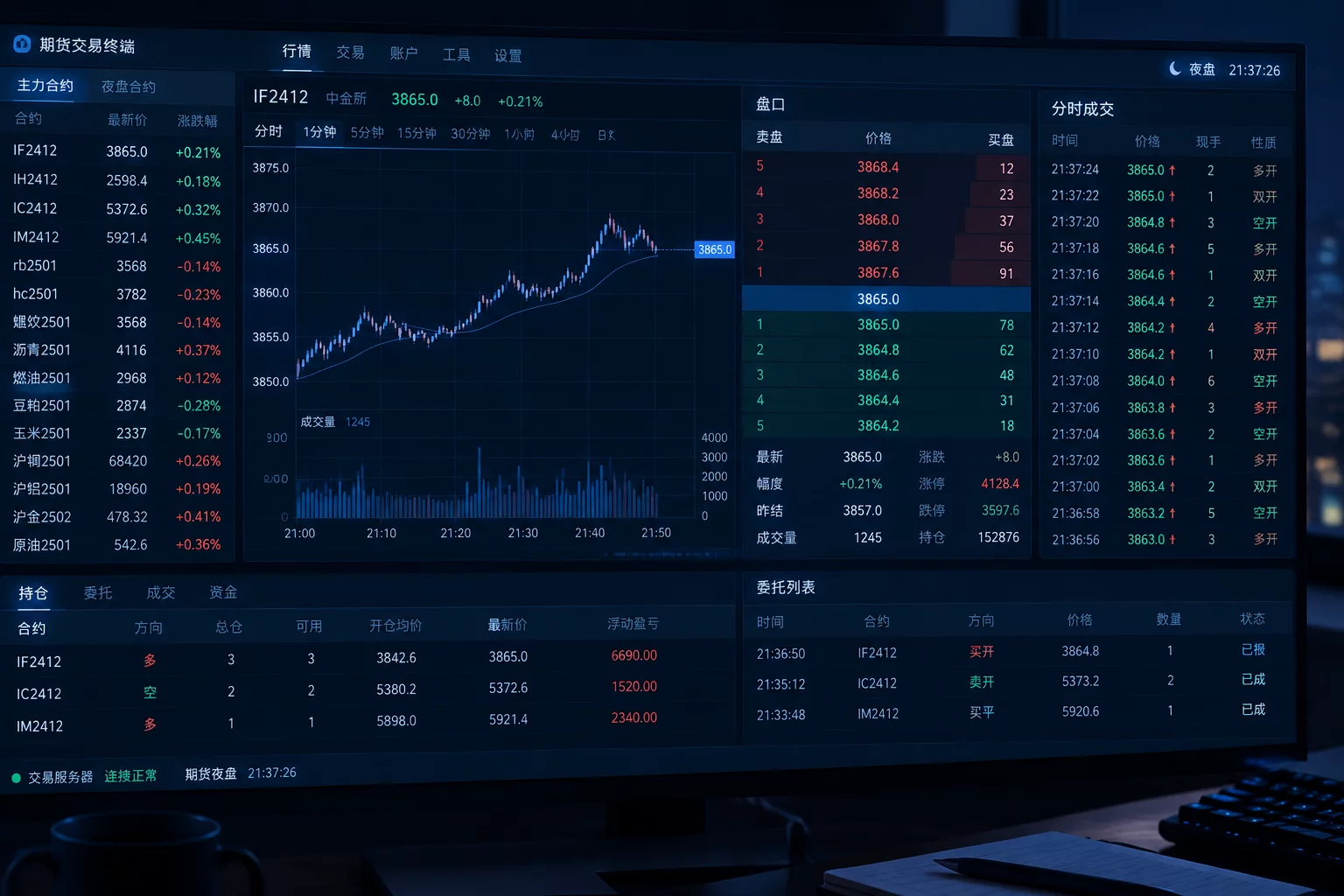
Comprehensive Execution Audit & Technical Breakdown
Most paper trading architectures utilize simplified matching logic during Globex trading hours. Rather than modeling the chronological queue of limit orders resting at a specific price point, simulation engines award immediate 100% fills when a transaction touches the limit price. In daytime sessions with hundreds of contracts clearing per level, this simplification produces minor variance. However, in low-volume overnight sessions where book depth drops under 15 contracts per tick, this mechanic creates a massive statistical bias.
Traders relying on automated bracket strategies observe consistent profit-target completions during overnight ranges. The algorithm logs an orderly exit at the exact tick boundary, ignoring the reality that forty other market participants were waiting ahead in the order queue.
- Flawed First-In-First-Out (FIFO) queue modeling across thin overnight bid/ask ladders.
- Immediate fills granted on single-lot trade prints touching price boundaries.
- Elimination of cancellation cascade risks typical of volatile overnight economic headlines.
The inverse hazard of the bracket illusion occurs on the protective stop-loss leg. While profit targets enjoy zero queue penalty in paper mode, stop-loss orders are often simulated using the last printed price rather than walking the actual available liquidity on order books. When sudden international news breaks overnight, market spreads expand from one tick to five ticks instantly.
In our replay audit, the paper account executed the protective sell stop at exactly 5,842.25 without slippage. Historical Level 2 reconstruction demonstrates that a live market order would have swept through three price tiers, executing at an average price of 5,840.50—translating to a 7-tick unmodeled deficit per contract.
- Lack of book depth penalty during sudden overnight spread widening episodes.
- Unrealistically tight stop fills skewing risk-reward ratios from 1:1.5 to an artificial 1:2.8.
Modern electronic overnight futures and index tracking funds rely on fragmented liquidity pools across multiple dark pools and alternative trading facilities. Retail paper accounts assume uniform best bid and offer execution irrespective of order route latency. In reality, routing through primary matching engines during early Asian morning hours incurs geographic latency penalties of 80 to 140 milliseconds.
When high-frequency liquidity providers detect order imbalances, they cancel resting quotes before retail bracket orders can match. Paper simulation engines do not simulate quotes retreating, resulting in fills on phantom liquidity that had already evaporated in live electronic order books.
To bridge the divide between simulated fantasy and live electronic reality, traders must implement pessimistic execution modifiers in their replay sheets. Adjusting limit order fills to require the price to trade completely through the level—rather than just touching it—removes up to 82% of phantom bracket fills in overnight backtests.
Furthermore, adding a mandatory slippage discount of 2 to 4 ticks on all nocturnal stop triggers aligns simulated expectancy with real-world statistical distribution, preventing premature capitalization of flawed night trading strategies.
Related Execution Case Studies
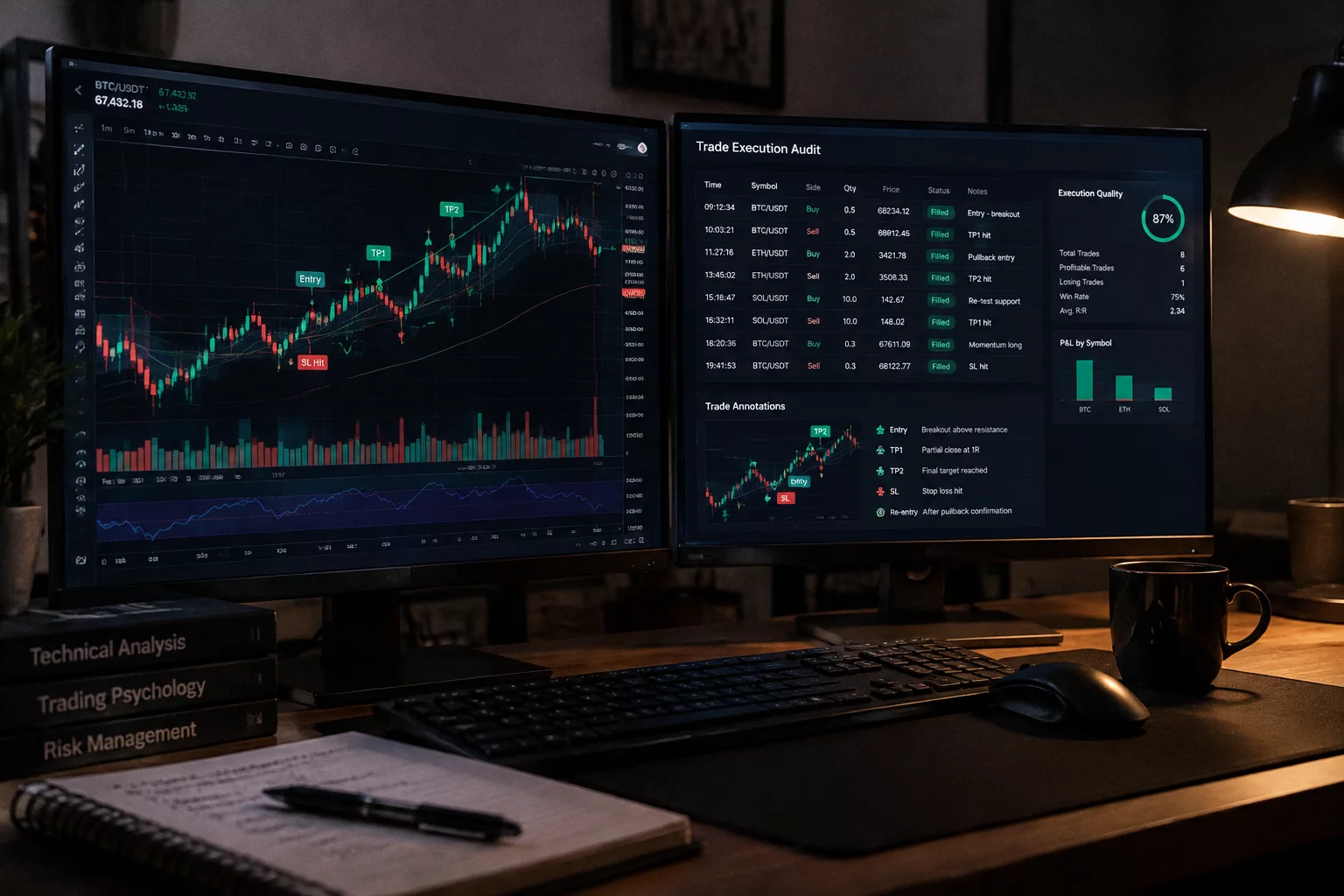
Breakout Assumption Failure in Volatility Spike
Dissecting how momentum breakout orders experience extreme quote delay and fill divergence during sudden market volatility spikes.
Review Replay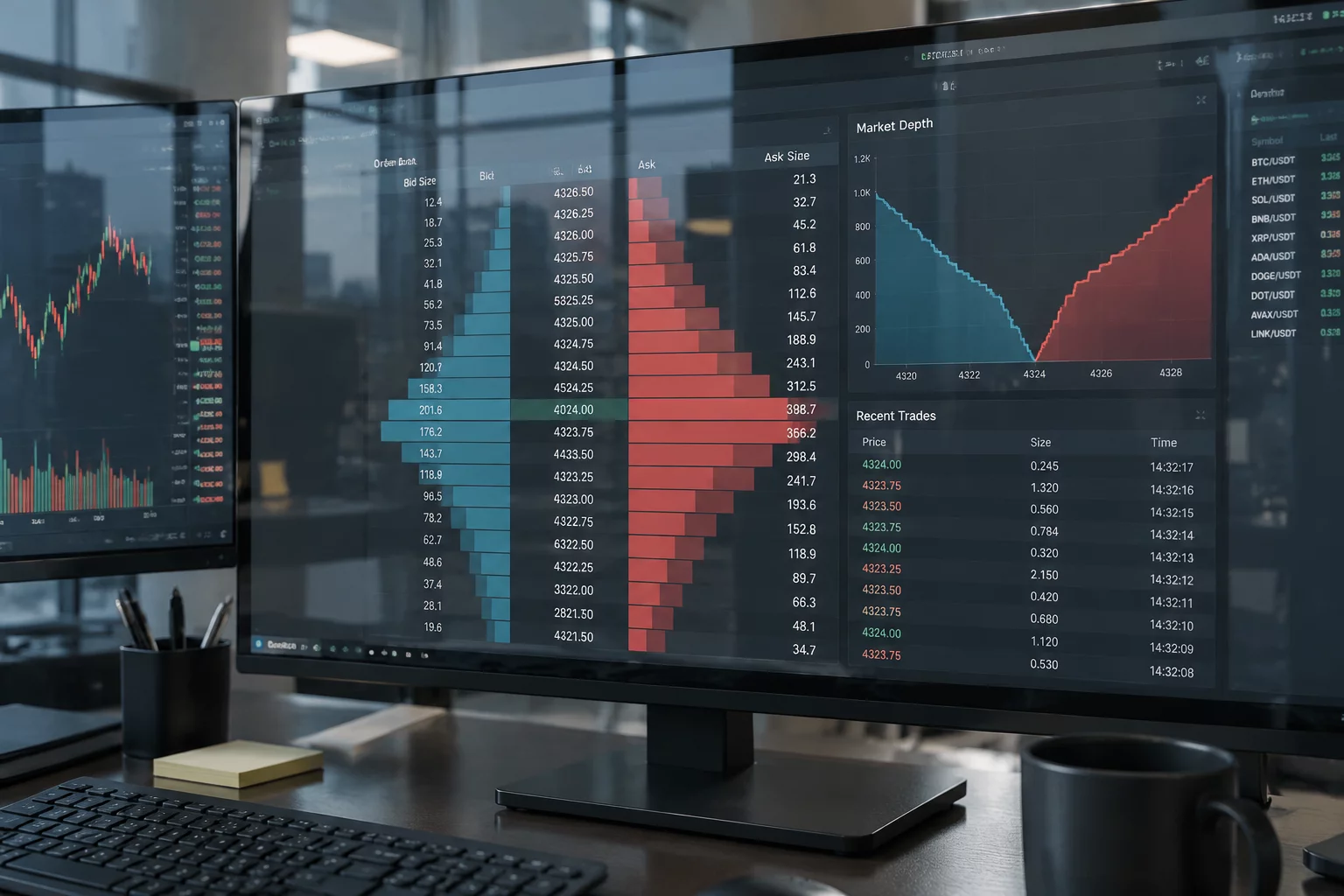
Earnings Gap Slippage in Simulated Premarket
Audit comparing simulated premarket earnings fills against historical order book depth and real auction opening dynamics.
Review Replay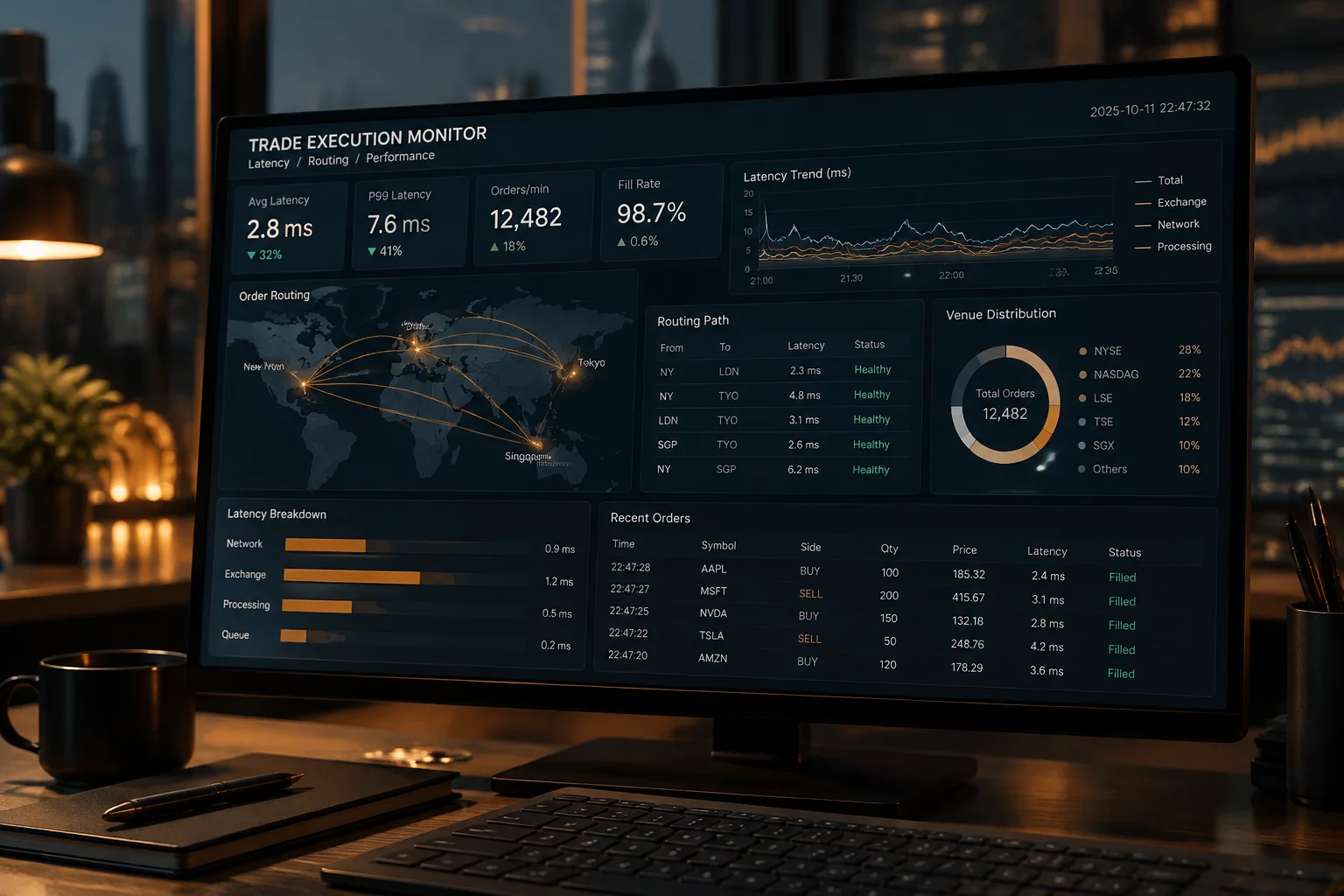
Market Order Fill Latency on Economic Release
Technical examination of millisecond latency penalties incurred during high-impact macroeconomic data releases.
Review Replay
Limit Order Frictional Mismatch in Low Float
Evaluating limit order queue dynamics in micro-cap equities where phantom simulated fills obscure real liquidity walls.
Review ReplayAudit Your Overnight Strategy Logs
Review full execution logs, tick-by-tick order fills, and replay sheets across all 15 post-mortem diagnostic studies.
Key Replay Takeaways
- Touch fills in overnight simulated brackets create an artificial +1.75 point expectancy on E-mini futures.
- Overnight stop-loss orders must be discounted by at least 2 ticks to account for wide spreads and book vacuuming.
- Requiring limit orders to trade through the entire price level eliminates phantom liquidity bias.