Visual comparative audit of simulated order execution models against centralized exchange matching engines.
Demystifying order queue priority, Level 2 depth depletion, and liquidity routing discrepancies between simulated sandboxes and live trading venues.
Simulated paper trading accounts foster dangerous complacency by treating all market liquidity as instantly accessible. While a simulated broker's matching engine merely tests whether a tick printed on the tape, live electronic exchanges demand that orders compete within multi-tiered queues governed by strict venue protocols.
When transitioning from simulated sandboxes to live production capital, market participants frequently discover that their apparent paper edge disappears. In equities, fragmentation across lit venues, dark pools, and internalizer wholesalers creates complex routing paths that paper engines never simulate. In futures contracts like the E-mini S&P 500, centralized FIFO or pro-rata matching algorithms leave trailing limit orders stranded during rapid momentum moves. Recognizing these structural discrepancies is essential for developing realistic post-trade review audits.
| Market Attribute | Structural Mechanism | Sandbox Divergence Impact |
|---|---|---|
| Queue Priority Rule | CME FIFO / Pro-Rata vs Lit Equity Multi-Book | High Discrepancy |
| Order Fill Trigger | Composite Tape Last-Price vs Queue Head Position | Critical Distortion |
| Tick Size Granularity | $0.01 Cent Pegging vs Index Quarter-Point Ticks | Structural Bias |
| Liquidity Vanishing Speed | Persistent Sandbox Bids vs Fast Flash Cancellations | Significant Slippage |
In the US equity ecosystem governed by Regulation NMS, order flow splits across more than a dozen lit exchanges and dozens of off-exchange alternative trading systems. Sandbox platforms mask this complexity by synthesizing a consolidated National Best Bid and Offer (NBBO) feed, executing any resting limit order the moment a single share prints at or past the price level. This shortcut completely overlooks venue queues, maker-taker rebate routing heuristics, and internalizer fill rates that determine live execution feasibility.
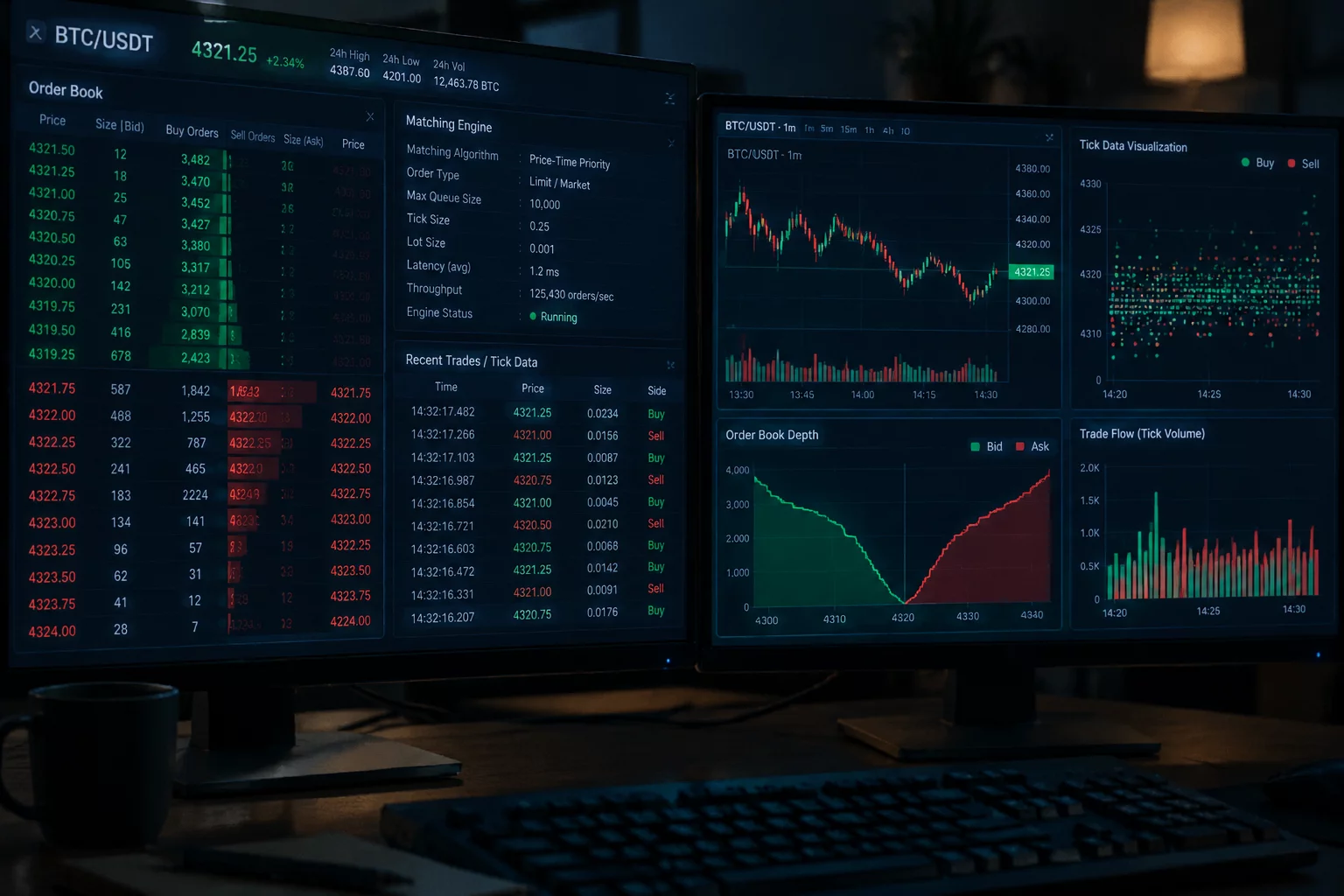
Centralized futures markets operate under an entirely different architecture on matching platforms like CME Globex. Globex strictly administers centralized matching algorithms, most notably pure First-In, First-Out (FIFO) or Split FIFO with Lead Market Maker allocation. When 2,500 contracts sit on the bid in the E-mini S&P 500, entering a limit order places you at the back of that 2,500-contract line. If the market reverses after trading 400 contracts at that price, a live order remains unfilled, whereas a paper sandbox assigns a 100% complete fill immediately.
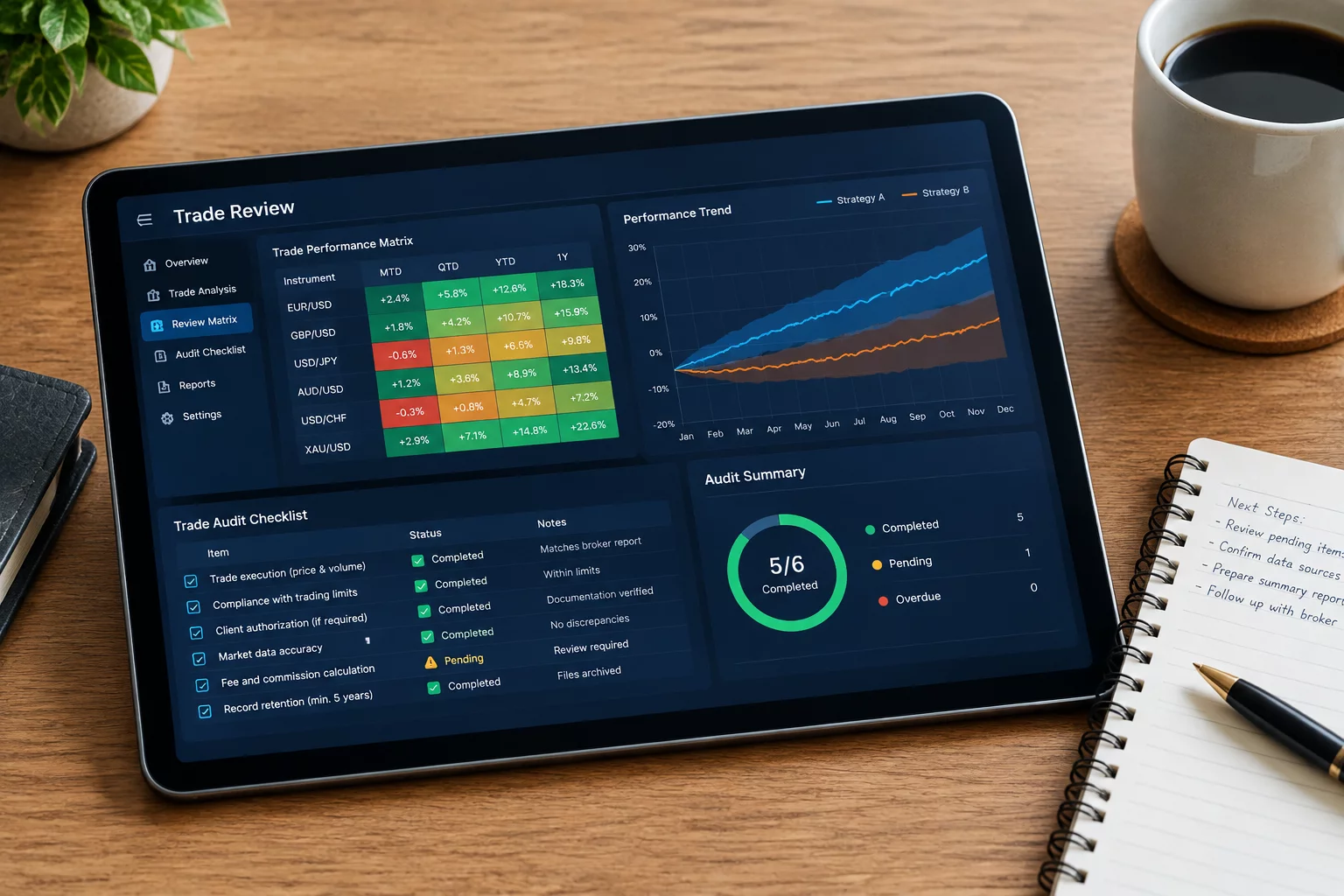
Embedding these analytical frictions into your post-mortem review process protects your trading capital from accidental edge syndrome. Replay sheets calibrated against genuine exchange mechanics yield performance metrics that withstand the unforgiving pressure of live financial markets.
A paper trading engine is built to maximize user satisfaction, not to replicate the adversarial friction of exchange matching queues.
— Elena Rostova, Quantitative Execution Specialist
Simulated matching engines treat any trade print at your limit price as an immediate trigger for execution. In a live order book, your order enters the back of the queue at that price level, requiring all preceding contracts or shares to be absorbed before your order can execute.
Futures trade on a single centralized matching engine with microsecond-level FIFO queue timestamps, making order timing absolute. Equities are fragmented across sixteen lit exchanges, dark pools, and market-making internalizers that route orders based on rebates and order flow payment agreements.
When auditing replay data with delayed or aggregated quotes, apply a mandatory half-spread execution tax on every fill, and treat any trade executed within 60 seconds of high-impact macroeconomic data releases as invalid.
Access our comprehensive analytical case studies, slippage diagnostic models, and structured replay templates.